




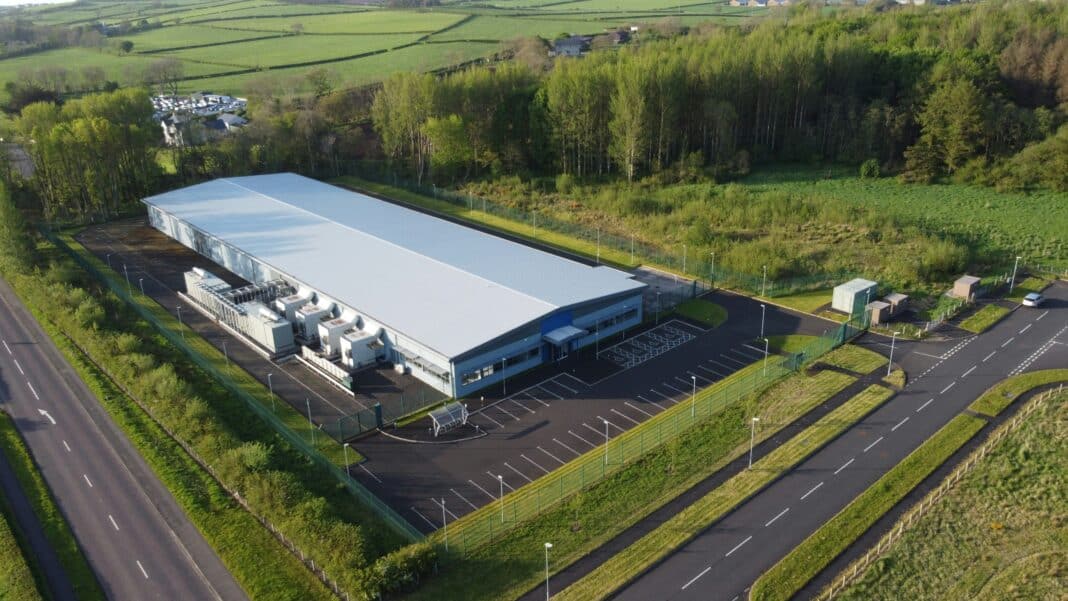
Ashburn, Virginia—population 45,000, data centres roughly 150—consumes about as much electricity as Philadelphia. When your power bill arrives with a number that makes you wince, it’s easy to point at the server farms. Politicians are doing it. Pundits are doing it. On March 4th, Donald Trump gathered tech CEOs to sign a pledge promising their data centres wouldn’t raise household bills.
Heartwarming. Also irrelevant.
Because AI isn’t the main reason your electricity costs more. The humans running your grid are.
The Receipts
The Economist laid out the numbers this month, and they’re damning—for the utilities, not the tech companies. Even the most aggressive forecasts put data centres at roughly a fifth of total U.S. electricity demand by 2030. Today, it’s less than a tenth. A Lawrence Berkeley National Laboratory study found that data-centre load was not the primary driver of rate increases in the five years through 2024. What was? Grid upgrades. Soaring costs of transformers, copper, and other equipment. Supply shortages so severe that manufacturers are quoting 120-week wait times—up from 50 weeks in 2021.
Here’s the part that should make you furious: most of these price increases started in early 2021—nearly two full years before ChatGPT launched and the AI boom began. The grid was already rotting. The bills were already climbing. AI just showed up in time to take the blame.
The Scapegoat Play
Private-sector utilities are projecting $1.1 trillion in capital spending between 2025 and 2029, up from $765 billion in the prior five years. More than half goes to replacing aging distribution and transmission infrastructure and hardening it against extreme weather. Between 2019 and 2023, major California utilities alone spent $27 billion on wildfire mitigation. These are investments that were deferred for years—in some cases, decades.
And now, conveniently, there’s a villain. As one industry executive told The Economist, AI provides a pretext to help win regulatory approval to pass costs on to consumers. Read that again. The people running the grid are openly admitting that AI is useful to them—not as a technology, but as a public-relations shield. They deferred maintenance. They let infrastructure decay. And now they’re using the AI narrative to make you foot the bill without asking too many questions.
The Irony
The kicker? AI may actually be lowering your bills. Tech giants are investing in their own power supply—Microsoft signed a deal to restart a nuclear reactor at Three Mile Island. Google’s parent company paid $5 billion for a solar and battery storage developer. Data centres are experimenting with flexible demand arrangements that let them reduce consumption during peak hours and even push backup power into the grid during emergencies. One California utility estimates that adding a gigawatt of data-centre load could reduce household bills by up to 2 percent.
So the technology being blamed for higher prices might actually be subsidizing lower ones. Meanwhile, the humans who neglected the grid for a generation are cashing in.
The Verdict
| WHO’S BLAMING AI: U.S. utility companies and politicians seeking a simple villain for rising electricity costs. WHAT ACTUALLY HAPPENED: Decades of deferred infrastructure maintenance, equipment supply chain crises, climate-hardening costs, and rising natural gas prices—all of which predate the AI boom. WHO GOT AWAY WITH IT: The utilities. They’re passing $1.1 trillion in costs to consumers while letting AI take the heat. Regulators are letting them. BLAME RATING: 💡💡💡💡💡 (5/5 lightbulbs) — A masterclass in scapegoating. The grid was failing. AI showed up. The bill arrived. Perfect alibi. |