



The Facts
Across 2025 and into 2026, major technology companies have expanded the use of agentic artificial intelligence systems inside enterprise environments, where these tools are no longer limited to assisting users but are increasingly embedded in operational workflows.
Microsoft has integrated agent-based functionality into its Copilot ecosystem, allowing enterprise users to rely on AI systems that can perform multi-step tasks such as drafting documents, summarizing information, and supporting internal workflow actions within business software environments.
Amazon has continued expanding automation across its logistics and operations systems, where AI-driven tools are used to support scheduling, task allocation, and internal process coordination at large scale across its fulfillment and delivery infrastructure.
IBM has also advanced its enterprise AI systems through Watson and hybrid cloud offerings, focusing on integrating artificial intelligence into business operations, decision support systems, and client-facing enterprise workflows.
These deployments reflect a broader shift across the technology sector where AI systems are being embedded directly into workplace processes rather than remaining external tools used only for assistance or analysis.
The Pattern
What is emerging across these companies is a consistent structural movement in how artificial intelligence is positioned inside organizations. Earlier stages of enterprise AI focused on tools that supported human decision-making by providing recommendations, predictions, or automated summaries. In the current phase, those systems are increasingly being placed closer to the point where decisions are actually executed.
In Microsoft’s enterprise environments, AI-generated outputs inside Copilot workflows are often acted on directly within productivity systems. In Amazon’s operational infrastructure, automation systems influence how tasks are distributed and coordinated across large-scale logistics networks. In IBM’s enterprise solutions, AI systems are embedded into business workflows that shape how organizations structure internal operations and client services.
Across all three cases, the shared pattern is not the specific task being automated, but the increasing closeness between AI output and final operational decisions.
The Structural Shift
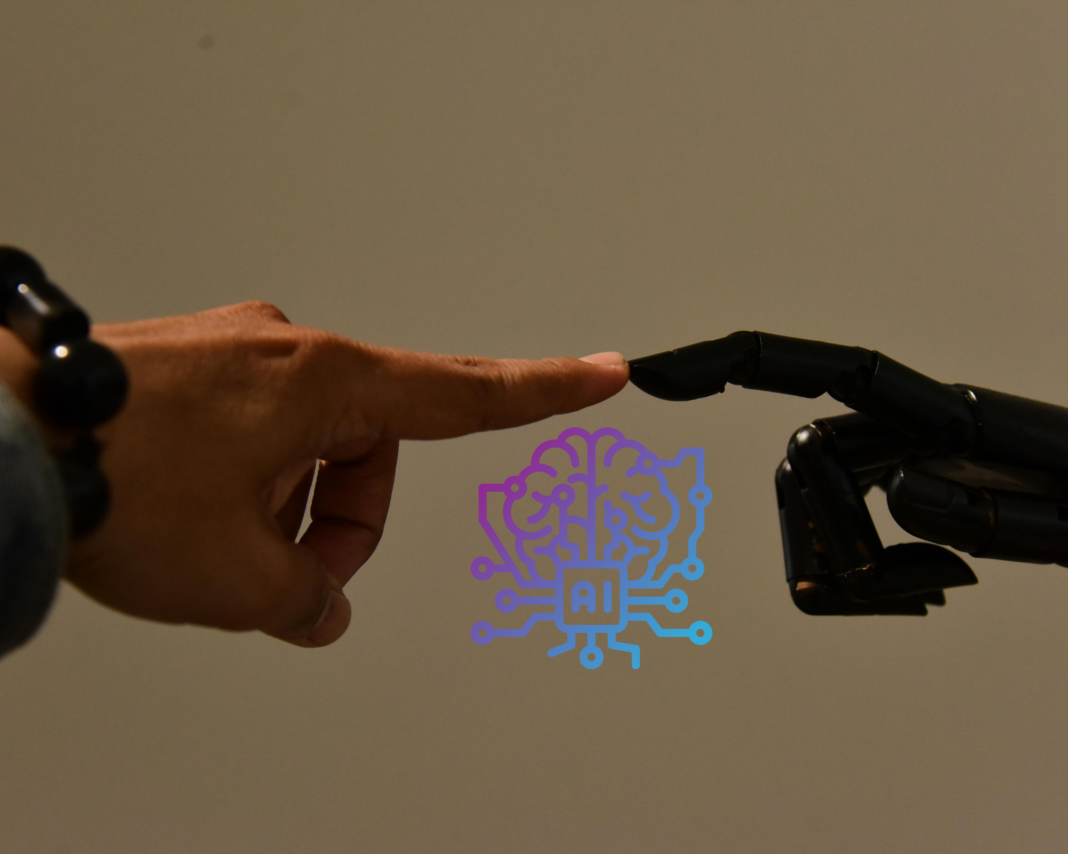
This shift is also changing the role of human oversight inside organizations. Instead of directly making each decision, humans are increasingly positioned as reviewers or supervisors of outputs generated by AI systems.
In practice, this creates a layered decision structure where artificial intelligence produces recommendations or structured actions, and human operators approve, adjust, or occasionally override those outputs. The final decision is therefore not made in a single step but distributed across both automated systems and human oversight layers.
This structure does not remove human involvement, but it changes its position within the decision chain.
What This Could Become
As these systems become more deeply integrated into enterprise operations, future disputes are likely to focus on how responsibility is defined when outcomes are influenced by AI-generated outputs.
In situations where hiring decisions, operational allocations, or financial prioritization are affected by automated systems, organizations may need to demonstrate whether human oversight was substantive or largely procedural in nature.
The current deployment phase is effectively establishing how much authority remains with human decision-makers and how much is delegated to system-generated workflows before formal accountability frameworks are fully defined.
Pattern Verdict
WHAT IS HAPPENING
Microsoft, Amazon, and IBM are integrating agentic AI systems into enterprise workflows that increasingly influence operational decision-making processes.
WHO IS INVOLVED
Microsoft, Amazon, and IBM are deploying AI systems across productivity, logistics, and enterprise decision environments.
WHERE ACCOUNTABILITY WILL BECOME UNCLEAR
Between AI-generated outputs, human supervisors reviewing decisions, and organizations deploying automated workflow systems at scale.
PATTERN RATING 5/5
This is a multi-industry structural shift in which decision-making is being redistributed between human and AI systems before formal accountability frameworks are fully defined.