


The Facts
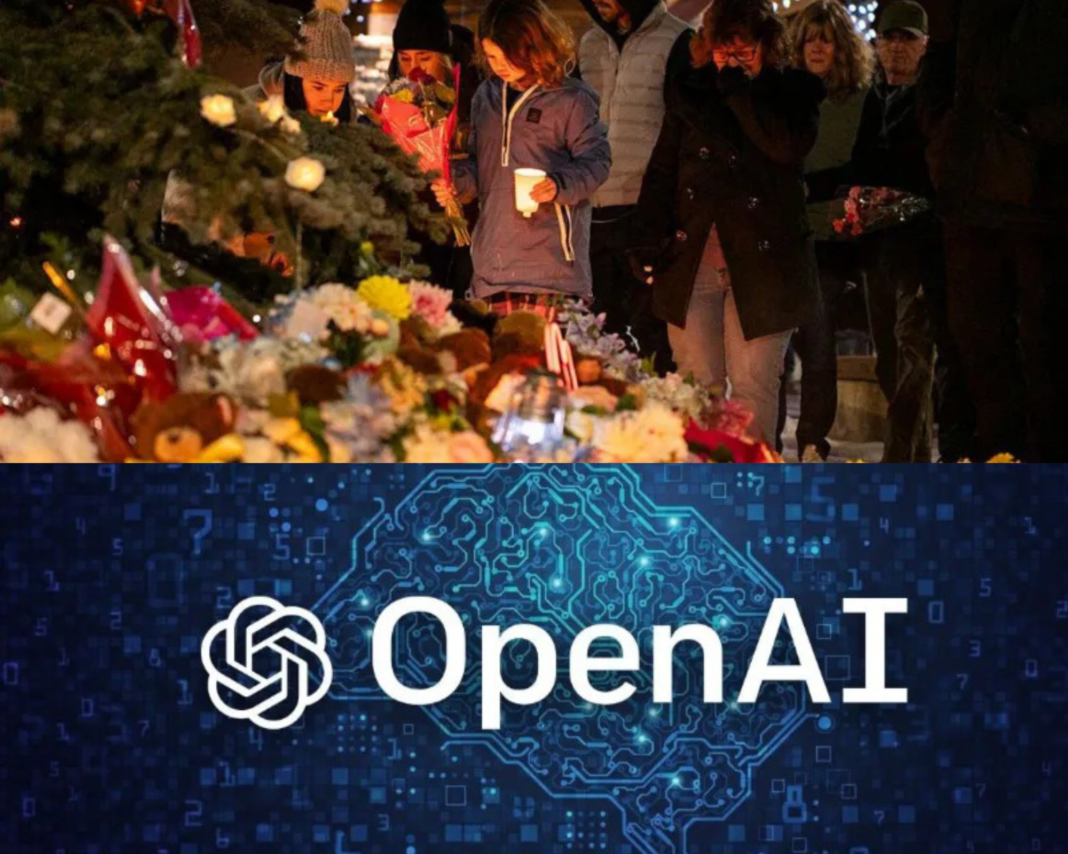
On April 29, 2026, families of victims from a February 2026 mass shooting in Tumbler Ridge, British Columbia, filed lawsuits in U.S. federal court against OpenAI and its CEO, Sam Altman.
According to multiple reports, the lawsuits allege that the attacker had prior interactions with ChatGPT months before the incident. Those interactions were reportedly flagged within the company’s systems as concerning. The plaintiffs claim that despite these signals, no alert was made to law enforcement before the attack occurred.
The shooting resulted in multiple fatalities, including students and a teacher, making it one of the most widely discussed incidents tied to AI-related legal claims in recent months.
OpenAI has stated that it took internal action by restricting the account involved and has since made adjustments to its safety systems. The company has not admitted liability, and the case remains before the courts.
The Blame
The lawsuits place responsibility directly on the role of artificial intelligence in the events leading up to the attack.
By arguing that ChatGPT interactions revealed warning signs that were not escalated, the plaintiffs frame the system as part of the failure that allowed the situation to unfold. The claim suggests that the AI system was not only used by the attacker, but that it also generated signals that could have triggered intervention.
In public discussion surrounding the case, the focus has increasingly shifted toward what the AI system “knew” and whether it should have acted differently.
The Real Story
The core issue in the case is not what the AI system did on its own, but how human decisions were made around it.
Artificial intelligence systems do not independently report threats or contact authorities. They operate within policies defined by the organizations that build and deploy them. Decisions about when to escalate a flagged interaction, who reviews it, and whether external authorities are contacted are all determined by human-designed protocols.
If the system identified potentially dangerous behavior, the critical question becomes what processes existed for escalation and who was responsible for acting on those signals. The lawsuit centers on whether those processes were sufficient and whether a different decision could have been made.
The AI system may have generated data, but the responsibility for interpreting and acting on that data sits with the people and structures around it.
The Aftermath
The case is expected to test how far liability can extend for AI companies when their systems are linked to real-world harm. Legal experts have noted that the outcome could influence how companies design monitoring and escalation systems for user interactions.
Following the incident, OpenAI has indicated that it is strengthening its safety and reporting mechanisms, particularly in cases involving potential threats. At the same time, policymakers are increasingly examining whether clearer legal obligations should exist for companies operating large-scale AI systems.
The lawsuit is still ongoing, and no findings have been made regarding liability.
The Verdict
WHO’S BLAMING AI
Families of victims are attributing part of the failure to ChatGPT interactions that were allegedly identified but not escalated.
WHAT ACTUALLY HAPPENED
A mass shooting occurred after prior chatbot interactions that plaintiffs claim showed warning signs, leading to lawsuits against OpenAI.
WHO GOT AWAY WITH IT
The legal case will determine responsibility, but the central issue lies in human decisions around monitoring, escalation, and response systems.
BLAME RATING – 4/5
AI systems are being positioned as part of the failure, but the outcome depends on how human oversight and decision-making are evaluated in court.