



The Facts
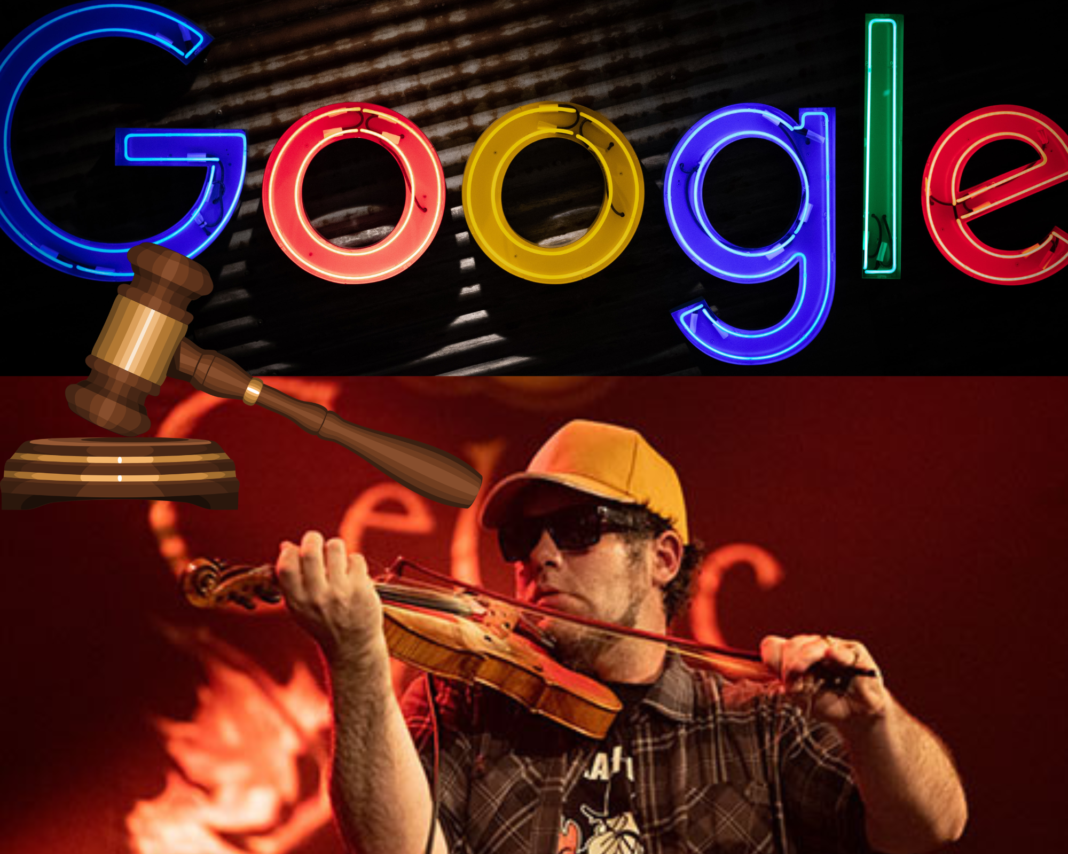
In early May 2026, Canadian fiddler Ashley MacIsaac filed a lawsuit against Google after one of its AI-powered search summaries falsely identified him as a sex offender.
The claim reportedly appeared in Google’s AI-generated overview feature, which provides users with direct answers at the top of search results. Instead of linking to verified sources, the system presented the allegation as a factual statement. There is no public record supporting that claim.
MacIsaac, a prominent figure in Canadian folk music, argued that the false label is damaging, especially in a system designed to deliver quick, authoritative answers. The case was reported in early May 2026, with filings pointing to reputational harm and the risk of widespread misinformation through AI-generated responses.
The Blame
At the center of the case is Google’s AI system specifically its automated summarization feature.
While Google has not publicly framed the issue as intentional wrongdoing, the implication is clear. The error is being treated as a product of AI generation. The company has consistently described such outputs as experimental and subject to mistakes, positioning errors like this as technical limitations rather than editorial failures.
In effect, the system becomes the explanation.
The Real Story
The AI did not decide to publish itself. Google designed, deployed, and placed that system in a position of authority at the top of its search engine. It chose to present AI-generated summaries as direct answers rather than clearly labeled suggestions. It also decides how those summaries are trained, what sources they rely on, and how confidently they are displayed to users.
That chain of decisions matters more than the output. The issue here is not that an AI model made a mistake. It is that a company built a product that can present unverified claims about real people as fact, and then integrated it into one of the most trusted information platforms in the world.
There were multiple points where human oversight could have intervened, such as content filtering, stricter verification layers, or limiting the display of sensitive claims. None of those safeguards stopped this from happening.
Calling it an “AI error” simplifies what is actually a product decision.
The Aftermath
The lawsuit places Google in a growing line of companies facing legal pressure over AI-generated misinformation.
Cases like this are drawing attention from regulators and legal experts, particularly around defamation and liability. As AI summaries become more widespread, courts may be forced to decide whether companies can distance themselves from outputs their systems generate.
For MacIsaac, the case is about reputational damage. For Google, it is about the responsibility that comes with automating information at scale.
The Verdict
WHO’S BLAMING AI
Google implicitly frames the issue as a limitation of its AI-generated summaries.
WHAT ACTUALLY HAPPENED
A deployed product published a false and damaging claim about a real person without verification.
WHO GOT AWAY WITH IT
The decision-makers behind the system’s design, rollout, and safeguards.
BLAME RATING
🤖🤖🤖🤖 (4/5)